
In the world of business, choosing the right structure is crucial, and the debate of LLC vs sole proprietorship is one of the most significant decisions an entrepreneur faces. Both options offer unique features and benefits, but understanding their core differences can greatly impact your business journey.
Limited Liability Companies (LLCs) provide a blend of flexibility and protection, making them popular among small business owners. On the other hand, sole proprietorships offer simplicity and ease of setup, appealing to those looking to start small. This article will explore these business structures, examining their definitions, tax implications, branding strategies, and legal protections.
Understanding LLC vs Sole Proprietorship
Both LLCs (Limited Liability Companies) and sole proprietorships are popular business structures that entrepreneurs can choose from when starting their ventures. Understanding the differences between these two options is essential for making an informed decision that aligns with your business goals, risk tolerance, and legal requirements.An LLC is a distinct legal entity that combines the flexibility of a partnership with the liability protection of a corporation.
This means that the owners, known as members, are typically not personally liable for the debts and liabilities of the business. LLCs are characterized by their ease of formation, fewer compliance requirements, and pass-through taxation, where profits are taxed on the owners’ personal tax returns instead of at the corporate level.
Characteristics of a Sole Proprietorship
A sole proprietorship is the simplest business structure, allowing a single individual to own and operate a business without the need to create a separate legal entity. This structure is easy to form and maintain, often requiring only a business license or permit. Sole proprietors report their business income and expenses on their personal tax returns. However, one of the most significant drawbacks of a sole proprietorship is that the owner is personally liable for all debts and obligations incurred by the business.
In essence, there is no legal separation between personal and business assets.
Legal Protections Offered by LLCs and Sole Proprietorships
When evaluating legal protections, it’s crucial to consider how each structure safeguards personal assets against business liabilities. The LLC structure provides a shield for its members, ensuring that their personal assets are not at risk in the event of business debts or lawsuits. This separation offers peace of mind for entrepreneurs who want to limit their exposure to financial risk.
In contrast, sole proprietorships do not offer such protections. The owner’s personal assets—like their home, car, and savings—can be at risk if the business faces legal action or financial difficulties. This lack of protection is a significant factor for many when deciding between the two structures.
“LLCs provide a layer of protection that sole proprietorships lack, making them a popular choice for those seeking to mitigate personal risk.”
Ultimately, both LLCs and sole proprietorships have their unique advantages and disadvantages, and the right choice will depend on individual circumstances, business goals, and risk tolerance. Understanding these characteristics helps in making an informed decision on which structure may best suit your business needs.
Tax Implications of LLCs and Sole Proprietorships
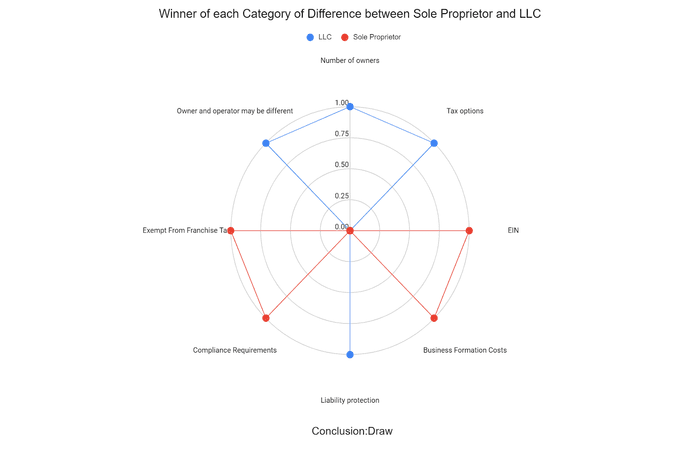
Understanding the tax implications of LLCs (Limited Liability Companies) and sole proprietorships is crucial for anyone considering starting a business. Each structure comes with its own set of tax obligations that can significantly impact the overall financial health of the business. This section will break down these tax responsibilities and highlight the differences between the two, providing a clearer picture for aspiring entrepreneurs.
Tax Obligations for LLCs
LLCs enjoy a flexible tax structure that can be advantageous for business owners. By default, single-member LLCs are treated as disregarded entities, meaning the income is reported on the owner’s personal tax return using Schedule C of Form However, LLCs can also elect to be taxed as S corporations or C corporations. This flexibility allows LLC owners to choose the best tax treatment based on their financial situation.
The main tax obligations typically include:
- Self-Employment Taxes: LLC owners may be subject to self-employment taxes on their earnings, similar to sole proprietors.
- Annual Fees: Most states require LLCs to pay an annual fee or tax, which varies by jurisdiction.
- State Taxes: LLCs must comply with state-specific tax regulations, which can include sales tax, income tax, and franchise tax.
Self-Employment Taxes and Sole Proprietorships
Sole proprietors are responsible for paying self-employment taxes, which cover Social Security and Medicare taxes. This tax is calculated based on the net earnings from the business, amounting to 15.3% for 2023, which includes 12.4% for Social Security and 2.9% for Medicare. The self-employment tax can significantly impact the take-home income of sole proprietors. Here are key points regarding self-employment taxes:
- Threshold for Self-Employment Tax: If a sole proprietor earns $400 or more, they are required to file Schedule SE with their tax return to report self-employment income.
- Deductible Expenses: Sole proprietors can deduct half of their self-employment tax when calculating their adjusted gross income, which provides some tax relief.
- Impact on Retirement Benefits: Paying self-employment taxes contributes to eligibility for Social Security benefits, but it can also lead to higher tax bills in the short term.
Potential Tax Benefits of Forming an LLC
Forming an LLC can offer several tax benefits that may not be available to sole proprietors. These advantages can help reduce the overall tax burden and provide more financial flexibility. Some notable benefits include:
- Pass-Through Taxation: LLCs allow income to pass through to the owners, thus avoiding double taxation at the corporate level, unlike C corporations.
- Health Insurance Deductions: LLC owners can deduct health insurance premiums from their taxable income, which is not an option available to sole proprietors.
- Retirement Plan Contributions: LLCs can establish retirement plans that may offer higher contribution limits compared to those available for sole proprietorships, allowing business owners to save more for retirement.
In summary, understanding the tax implications of LLCs versus sole proprietorships can lead to better financial decisions and potential savings.
Business Management and Branding Strategies
In the realm of entrepreneurship, understanding the nuances of branding and business management is integral, especially when examining the distinctions between LLCs and sole proprietorships. Each business structure brings its unique approach to branding and management, ultimately influencing how they are perceived in the market. This section delves into how branding varies for LLCs and sole proprietorships, Artikels a plan for developing a business identity for an LLC, and presents a tailored marketing strategy for a sole proprietorship.
Branding Differences Between LLCs and Sole Proprietorships
Branding plays a pivotal role in establishing a business’s identity and credibility in the market. For LLCs, branding efforts typically emphasize professionalism and trustworthiness, as the limited liability structure often attracts investors and partners. This branding strategy may involve developing a sophisticated visual identity, including a logo, professional website, and consistent marketing materials that reflect the business’s goals and values.In contrast, sole proprietorships usually adopt a more personal branding approach.
As these businesses are closely tied to the owner, the branding reflects the owner’s personality, values, and story. This creates a more relatable image, focusing on personal connections and authenticity. To illustrate this, consider two businesses: “Smith Consulting LLC,” which uses a sleek logo and corporate language, versus “Jane’s Personal Coaching,” which utilizes a friendly, conversational tone and images of Jane engaging with clients.
Developing a Business Identity for an LLC
Creating a strong business identity for an LLC is crucial for establishing trust and recognition. Here’s a structured plan that can guide you through this process:
1. Define Your Brand Values
Identify the core values and mission of your LLC. What do you stand for? This foundation will guide all branding efforts.
2. Craft Your Business Name and Logo
Choose a name that is memorable and reflects your business values. Design an appealing logo that encapsulates your brand identity. Ensure it is unique and scalable for various applications.
3. Establish a Consistent Visual Identity
Develop brand guidelines that Artikel your color palette, typography, and imagery style. Consistency across all platforms helps reinforce brand recognition.
4. Create an Engaging Website
Your website is often the first touchpoint for customers. Ensure it is user-friendly, visually appealing, and clearly communicates your brand’s mission and services.
5. Leverage Social Media
Establish a presence on relevant social media platforms. Use these channels to share your brand story, engage with your audience, and showcase your expertise.
6. Gather Customer Testimonials
Positive reviews and testimonials can enhance credibility. Display these prominently on your website and marketing materials to build trust with potential clients.
Marketing Strategy for a Sole Proprietorship
An effective marketing strategy for a sole proprietorship should focus on building personal connections and showcasing authenticity. Here’s a tailored strategy that small business owners can implement:
1. Identify Your Target Audience
Understand who your ideal customers are and tailor your marketing efforts to meet their needs and preferences.
2. Utilize Content Marketing
Create valuable and informative content related to your services. This could include blog posts, videos, or podcasts that establish you as an authority in your field.
3. Network Locally
Attend community events and engage with local organizations. Building relationships within your community can lead to referrals and word-of-mouth marketing.
4. Leverage Social Media Platforms
Use platforms like Instagram or Facebook to share your story, showcase your work, and communicate with customers. Share behind-the-scenes glimpses to create a personal connection.
5. Offer Promotions and Discounts
Encourage new customers to try your services through limited-time offers or discounts. This can help attract initial interest and build a loyal customer base.
6. Request Reviews and Referrals
Encourage satisfied customers to leave reviews on platforms like Google or Yelp. Positive testimonials can significantly impact potential clients’ decisions.This structured approach to business management and branding can help both LLCs and sole proprietorships carve out their unique identities in the competitive marketplace.
Last Point
Ultimately, the choice between an LLC and a sole proprietorship hinges on your specific business needs and goals. While LLCs provide a robust shield against personal liability and may offer tax advantages, sole proprietorships are straightforward and cost-effective for new entrepreneurs. Understanding these differences equips you to make an informed decision that aligns with your vision for success.
Question & Answer Hub
What is the main difference between LLC and sole proprietorship?
The primary difference lies in liability protection; LLCs protect personal assets from business debts, whereas sole proprietorships do not.
Are LLCs more expensive to maintain than sole proprietorships?
Yes, LLCs typically incur higher startup and maintenance costs due to filing fees and ongoing compliance requirements.
Can I switch from a sole proprietorship to an LLC later?
Absolutely! Many business owners start as sole proprietors and transition to an LLC as their business grows.
Do LLCs pay self-employment taxes?
Yes, LLC members are considered self-employed and must pay self-employment taxes on their earnings unless they opt for corporate tax treatment.
How does branding differ between LLCs and sole proprietorships?
LLCs can create a more formal brand identity, while sole proprietorships often reflect the personal brand of the owner.


