
Managed cybersecurity services are essential for businesses navigating today’s digital landscape, where threats are ever-evolving and increasingly sophisticated. These services provide a comprehensive approach to safeguarding sensitive data and maintaining compliance, making them a vital component for any organization aiming to bolster its security posture.
By leveraging advanced technology and expertise, managed cybersecurity services not only protect against potential breaches but also ensure that businesses can operate with confidence. From proactive monitoring to incident response, these services encompass a wide range of solutions tailored to meet the unique needs of each business.
Managed Cybersecurity Services Overview
In an era where cyber threats are constantly evolving, managed cybersecurity services have emerged as a vital component for businesses aiming to safeguard their digital landscapes. These services provide a comprehensive approach to protecting sensitive data from potential cyberattacks, ensuring peace of mind for organizations of all sizes.Managed cybersecurity services encompass a range of security solutions and strategies designed to monitor, detect, and respond to cyber threats.
Organizations typically partner with specialized service providers who offer expertise, technology, and resources that may be beyond their in-house capabilities. These services are not only crucial for protecting sensitive information but also play a significant role in maintaining compliance with industry regulations.
Key Components of Managed Cybersecurity Services
The foundation of managed cybersecurity services is built on several key components that work together to create a robust security framework. Understanding these components helps businesses appreciate the value of investing in such services.
- 24/7 Monitoring and Response: Continuous surveillance of networks and systems to promptly identify and respond to potential threats. This proactive approach minimizes the impact of incidents.
- Threat Intelligence: Utilizing data analytics and intelligence to stay ahead of emerging threats. This includes gathering information about potential vulnerabilities and attack vectors.
- Incident Response Planning: Developing and implementing a comprehensive plan to address security incidents. This ensures a swift and organized response when a breach occurs.
- Compliance Management: Assisting organizations in meeting regulatory requirements such as GDPR, HIPAA, or PCI DSS to avoid legal penalties and reputational damage.
- Vulnerability Assessment and Penetration Testing: Regularly assessing the security posture of systems and networks through simulated attacks to identify weaknesses before they can be exploited.
- Employee Training and Awareness: Educating staff about cybersecurity best practices and the importance of recognizing phishing attempts and other malicious activities.
The integration of these components creates a comprehensive cybersecurity strategy that evolves with the threat landscape, ensuring businesses remain protected against the latest cyber threats.
Benefits of Adopting Managed Cybersecurity Services
Implementing managed cybersecurity services offers a multitude of advantages that can significantly enhance an organization’s security posture and operational efficiency.
- Cost Efficiency: Outsourcing cybersecurity services often proves to be more cost-effective than maintaining an in-house security team. Organizations can save on salaries, training, and technology investments.
- Access to Expertise: Managed service providers bring specialized knowledge and experience that may not be available within the organization, enabling better threat detection and response.
- Scalability: As businesses grow, their cybersecurity needs evolve. Managed services provide scalable solutions that can expand in line with business growth and changing requirements.
- Focus on Core Business Functions: By entrusting cybersecurity to experts, organizations can concentrate on their primary operations and strategic initiatives without diverting resources to manage security concerns.
- Improved Incident Response: The ability to respond quickly to threats, thanks to dedicated teams and resources, minimizes potential damage and recovery time during a security incident.
Implementing these services not only enhances security but also builds customer trust, which is paramount in today’s competitive market.
“Cybersecurity is not just about protecting data; it’s about enhancing business resilience.”
Impact on Business Operations
Managed cybersecurity services play a pivotal role in enhancing the overall security framework of a business. By leveraging specialized expertise, these services help organizations mitigate risks, comply with regulations, and protect sensitive data. Consequently, businesses can operate with greater confidence, knowing their digital environments are being actively monitored and defended against evolving threats.The integration of managed cybersecurity services into existing business operations not only strengthens security but also promotes operational efficiency.
By incorporating these services, businesses can streamline their security processes, reduce response times to incidents, and gain insights through advanced analytics. This section explores how managed cybersecurity services can enhance security posture, methods for effective integration, and potential risks associated with implementation.
Ways to Enhance Security Posture
A robust security posture is crucial for any business in today’s digital landscape. Managed cybersecurity services enhance this posture through several key methods:
- 24/7 Monitoring and Support: Continuous surveillance of networks allows for immediate detection and response to threats, minimizing potential damage.
- Threat Intelligence: Access to up-to-date information about emerging threats helps businesses stay ahead of attackers and fortify defenses.
- Compliance Management: Ensuring adherence to industry standards and regulations such as GDPR or HIPAA protects businesses from legal penalties and reputational damage.
- Incident Response Planning: Developing and refining incident response strategies prepares organizations to act swiftly in the event of a cyber incident, reducing recovery time.
- Regular Security Assessments: Routine vulnerability assessments and penetration testing identify weaknesses before they can be exploited.
Integration Methods for Maximum Efficiency
Integrating managed cybersecurity services into existing business operations can enhance overall effectiveness. This can be achieved through the following approaches:
- Alignment with Business Goals: Ensure that the cybersecurity strategy aligns with the overall objectives of the business to foster collaboration between departments.
- Training and Awareness Programs: Implementing regular training sessions equips employees with knowledge about cybersecurity risks and best practices, creating a culture of security.
- Use of Automation: Automating repetitive security tasks, such as patch management and log analysis, allows human resources to focus on more complex security challenges.
- Regular Communication: Establishing clear communication channels between IT and cybersecurity teams ensures that information flows seamlessly, enabling quicker decision-making.
- Adopting a Layered Security Approach: Combining multiple security measures at various levels creates a more comprehensive defense strategy, protecting against different types of threats.
Potential Risks and Challenges
Although managed cybersecurity services significantly enhance security, businesses may also encounter potential risks and challenges during implementation:
- Vendor Dependency: Relying on third-party providers for security may lead to concerns about the responsiveness and accountability of these vendors during a crisis.
- Integration Complexities: Merging managed services with existing IT infrastructure can be complex and require careful planning to avoid disruptions.
- Cost Implications: While managed services can be cost-effective, the initial investment and ongoing costs may be a concern for some businesses.
- Data Privacy Issues: Sharing sensitive data with external vendors raises questions regarding data privacy and compliance with regulations.
- Skill Gaps: Organizations may face challenges in finding skilled personnel to work alongside managed services, particularly in understanding and interpreting reports generated by these services.
Industry Trends and Future Directions
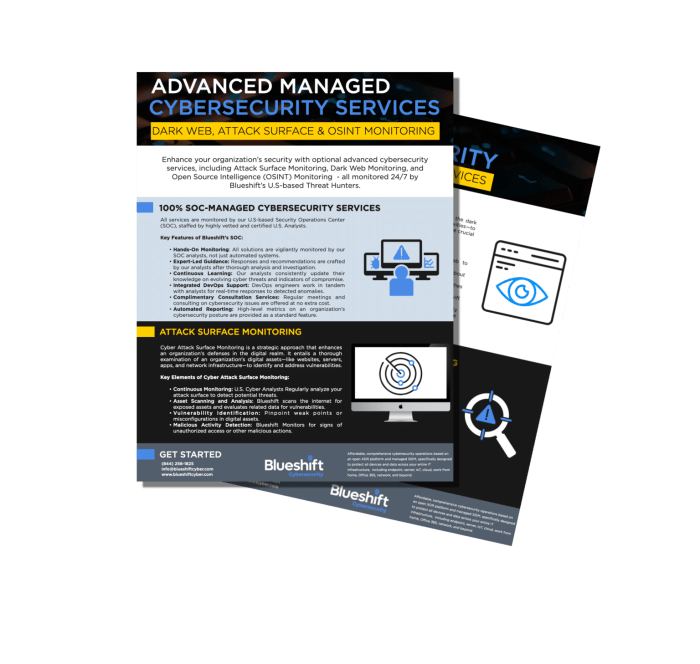
As businesses increasingly recognize the importance of robust cybersecurity, managed cybersecurity services are evolving to meet new challenges and threats. The landscape is constantly changing, driven by technological advancements, regulatory requirements, and the emergence of new threats. Understanding these trends is vital for organizations aiming to secure their operations and data.Emerging trends in managed cybersecurity services include the integration of artificial intelligence (AI) and machine learning (ML) to enhance threat detection and response capabilities.
These technologies automate and optimize various security processes, enabling faster identification of vulnerabilities and threats. Furthermore, there is a growing emphasis on compliance and regulatory standards, especially with frameworks like GDPR and CCPA shaping data protection practices globally.
Comparative Study of Managed Cybersecurity Service Providers
To navigate the diverse offerings in the managed cybersecurity services market, businesses can benefit from comparing different providers. Each provider has its strengths, weaknesses, and unique features that cater to various organizational needs.Providers typically offer a combination of services, including threat detection, incident response, compliance management, and employee training. Here are a few notable providers and their key offerings:
| Provider | Key Offerings | Strengths |
|---|---|---|
| CrowdStrike | Endpoint protection, threat intelligence | High scalability, strong threat intelligence |
| IBM Security | Managed detection and response (MDR), compliance | Comprehensive solutions, global reach |
| Fortinet | Firewall management, intrusion detection | Robust network security, high performance |
| Secureworks | Security monitoring, incident response | Strong incident response capabilities |
This comparative analysis highlights the importance of aligning a business’s specific cybersecurity requirements with the strengths of each provider. Evaluating services based on the unique environment and challenges faced by the organization is essential for effective security management.
Roadmap for Transitioning to Managed Cybersecurity Services
For businesses considering transitioning to managed cybersecurity services, a well-defined roadmap is critical for ensuring a smooth and effective change. This roadmap encompasses several essential steps and considerations that organizations should keep in mind.
1. Assessment of Current Security Posture
Organizations must conduct a thorough evaluation of their existing security measures to identify vulnerabilities and areas needing improvement.
2. Define Objectives and Goals
Clearly Artikel what you aim to achieve with managed cybersecurity services, such as enhanced threat detection or improved compliance.
3. Research and Select Providers
Investigate various managed cybersecurity service providers, comparing their offerings based on your defined objectives.
4. Implementation Planning
Develop an implementation plan detailing timelines, responsibilities, and required resources for transitioning to the selected service provider.
5. Integration with Existing Systems
Ensure that the managed services seamlessly integrate with your current IT infrastructure to avoid disruptions.
6. Training and Awareness
Educate employees on new security protocols and the importance of cybersecurity as part of your organization’s culture.
7. Continuous Monitoring and Improvement
Establish a framework for ongoing evaluation of the managed services and regularly update security measures to adapt to new threats.Following this roadmap will help organizations navigate the complexities of transitioning to managed cybersecurity services, ultimately leading to a more secure operational environment.
Summary
In conclusion, embracing managed cybersecurity services can significantly enhance a business’s ability to defend against cyber threats while streamlining operations. As the digital world continues to evolve, investing in these services will not only provide immediate security benefits but also pave the way for long-term resilience and success.
Quick FAQs
What are managed cybersecurity services?
Managed cybersecurity services are outsourced solutions that provide comprehensive protection against cyber threats, including monitoring, detection, and response.
How do these services benefit small businesses?
They offer access to advanced security measures and expertise that small businesses may not have in-house, helping to protect against breaches without significant investment.
Can managed cybersecurity services integrate with existing systems?
Yes, these services are designed to complement and enhance existing IT infrastructure, ensuring seamless integration and minimal disruption.
What should businesses consider when choosing a provider?
Factors like the provider’s track record, range of services, customization options, and support levels are crucial in making an informed decision.
Are managed cybersecurity services cost-effective?
While there is an upfront cost, they can ultimately save businesses money by preventing costly data breaches and downtime.


