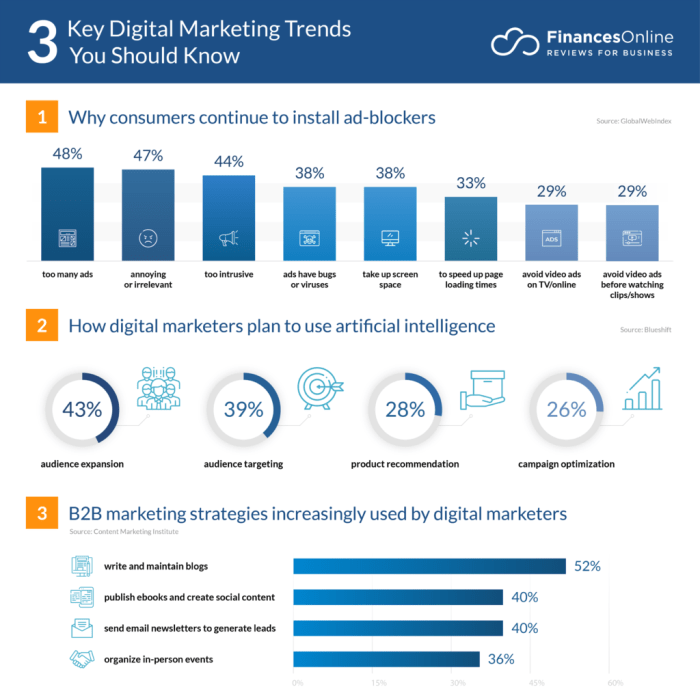
Kicking off with Digital advertising trends 2025, this overview highlights the transformative shifts in the advertising landscape driven by technology and evolving consumer behavior. As we step into this new era, emerging innovations such as artificial intelligence and augmented reality are poised to reshape how brands connect with their audiences.
With a keen focus on the digital age, understanding the nuances of consumer preferences and the significance of data privacy will be essential for marketers. Additionally, integrating strategic branding and storytelling will not only enhance brand identity but also resonate deeply with Gen Z and Millennial audiences.
Digital Advertising Innovations for 2025

As we look forward to 2025, the landscape of digital advertising continues to evolve, driven by technological advancements and changing consumer behaviors. These innovations are reshaping how brands engage with their audiences, making advertising more effective and personalized. By leveraging emerging technologies, businesses can create more immersive and impactful ad experiences that resonate with consumers on a deeper level.
Emerging Technologies Influencing Digital Advertising
The integration of cutting-edge technologies is central to the transformation of digital advertising. Key innovations that will play a significant role include:
- 5G Technology: The rollout of 5G networks will facilitate faster data transmission, allowing for richer media content and real-time interactions in advertising campaigns.
- Blockchain: This technology enhances transparency and trust in advertising by providing a decentralized ledger for ad transactions, reducing fraud and ensuring accurate targeting.
- Voice Search Optimization: With the rise of voice-activated devices, optimizing ads for voice search will become critical, requiring brands to rethink their strategies.
- Internet of Things (IoT): Connected devices will enable more personalized advertising, as brands can collect data on consumer habits and preferences in real time.
Role of Artificial Intelligence in Ad Targeting and Personalization
Artificial Intelligence (AI) is revolutionizing the way brands approach ad targeting and personalization. By analyzing vast amounts of data, AI enables marketers to create tailored advertising experiences that resonate with individual consumers. The benefits of this technology include:
- Predictive Analytics: AI can predict consumer behavior and preferences, allowing for highly targeted ad placements that increase the likelihood of engagement.
- Dynamic Creative Optimization: AI algorithms can adjust ad creatives in real time based on user interactions, ensuring the most relevant content is delivered to each user.
- Enhanced Customer Insights: AI tools provide deeper insights into customer journeys, enabling brands to refine their strategies and foster stronger relationships with their audiences.
Augmented Reality Transforming Customer Engagement
Augmented Reality (AR) is set to redefine customer engagement in digital advertising by creating immersive experiences that blend the physical and digital worlds. This technology offers unique opportunities for brands to captivate consumers and enhance their advertising efforts. Key aspects include:
- Interactive Product Experiences: AR allows consumers to visualize products in their own environment before making a purchase, significantly enhancing the decision-making process.
- Enhanced Storytelling: Brands can use AR to tell compelling stories that engage users, making ads more memorable and impactful.
- Gamification: Incorporating AR into campaigns can create fun and interactive experiences, encouraging consumers to engage with the brand and share their experiences on social media.
Evolving Consumer Behavior and Its Impact on Digital Advertising
The digital advertising landscape is undergoing a transformative shift as consumer behaviors evolve in response to technological advancements and changing societal values. This evolution is not merely a trend but a significant change that demands advertisers to rethink their strategies to remain relevant and effective. Understanding these shifts is crucial for tailoring advertising efforts to meet the expectations and preferences of modern consumers.The impact of changing consumer preferences on advertising strategies is profound.
Consumers are increasingly favoring personalized experiences and authentic brands. As a result, advertisers must delve deeper into data analytics to create targeted campaigns that resonate with specific demographics. The rise of social media platforms has amplified this need, as consumers often seek brands that align with their values and interests. Furthermore, the demand for transparency and ethical practices has risen, forcing brands to adapt their messaging and outreach methods.
Shifts in Consumer Preferences Affecting Advertising Strategies
Understanding the nuances of consumer behavior is essential for crafting effective advertising strategies. The following points highlight key shifts that advertisers must consider:
Preference for Authenticity
Consumers are gravitating towards brands that showcase genuine values and social responsibility. They are more likely to support companies that demonstrate transparency in their operations and messaging.
Demand for Personalization
Tailoring advertisements to meet individual preferences is becoming increasingly important. Consumers expect brands to utilize data to deliver relevant content, enhancing their overall experience and engagement.
Rise of Visual Content
Platforms like Instagram and TikTok have popularized visual storytelling. Advertisers must leverage visually engaging content to capture attention in a saturated market.
Increased Use of Voice Search
With the rise of smart speakers, voice-activated searches are becoming common. Advertisers must optimize their content for voice queries, ensuring visibility in this growing medium.
Shift Towards Sustainability
As awareness of environmental issues grows, consumers are favoring brands that prioritize sustainability. Green initiatives and eco-friendly practices are influential in purchasing decisions.
“Understanding and adapting to evolving consumer preferences is crucial for brands aiming to thrive in the digital landscape.”
Importance of Data Privacy and Its Implications for Ad Practices
Data privacy has become a paramount concern for consumers, reshaping the way digital advertising operates. The implications of this shift are significant:
Stricter Regulations
Laws such as GDPR and CCPA impose stringent rules on data collection and usage. Advertisers must comply with these regulations to avoid hefty fines and maintain consumer trust.
Consumer Trust Issues
With increasing awareness of data breaches and misuse, consumers are wary of how their data is handled. Brands must prioritize data protection and communicate their privacy policies clearly to foster trust.
Shift to First-Party Data
As third-party cookies phase out, reliance on first-party data becomes crucial. Advertisers should focus on building direct relationships with consumers to gather valuable insights while respecting privacy concerns.
Increased Demand for Opt-in Choices
Consumers prefer to have control over their data. Offering clear opt-in choices can enhance user engagement while ensuring compliance with privacy regulations.
“Navigating the complexities of data privacy is essential for brands to build lasting consumer relationships.”
Adapting Advertising for Gen Z and Millennial Audiences
Gen Z and Millennials represent a significant portion of the consumer market, and targeting these demographics requires a nuanced approach. Effective advertising strategies must incorporate the following elements:
Emphasis on Social Causes
Younger consumers are more likely to support brands that advocate for social change. Advertisements that highlight a brand’s commitment to important issues resonate more with these audiences.
Engagement through Interactive Content
Gen Z and Millennials favor interactive content such as quizzes, polls, and augmented reality experiences. Incorporating these elements can significantly enhance engagement rates.
Utilization of Influencer Marketing
Influencers play a crucial role in shaping the purchasing decisions of younger consumers. Collaborating with relatable influencers can help brands reach these audiences authentically.
Focus on Mobile-First Strategies
With a majority of Gen Z and Millennials accessing content via mobile devices, advertising strategies must prioritize mobile-friendly formats to capture attention effectively.
Transparency in Advertising
Both generations value honesty and transparency from brands. Clear messaging about product ingredients, sourcing, and pricing can enhance brand loyalty.
“Tailoring advertising strategies to align with the values and preferences of Gen Z and Millennials is key to capturing their attention.”
Strategic Branding in the Digital Age
In today’s rapidly changing digital landscape, effective branding has become essential for businesses aiming to establish a lasting connection with their audiences. As digital advertising evolves, brands must develop a strategic framework to integrate their identities seamlessly into various campaigns. This approach not only enhances visibility but also ensures that the brand messaging resonates with consumers across all digital touchpoints.A comprehensive integration of branding within digital advertising campaigns can be structured around key elements that foster consistency and engagement.
This framework focuses on aligning brand values, visuals, and messaging across multiple platforms to create a cohesive brand experience.
Framework for Integrating Branding into Digital Advertising Campaigns
To build a robust branding strategy in digital advertising, it’s crucial to Artikel specific steps that can be implemented across channels. This framework should include the following essential components:
- Define Brand Values: Clearly articulate what your brand stands for and ensure these values are consistently communicated across all advertising channels. This clarity helps consumers connect emotionally with your brand.
- Create Visual Consistency: Develop a set of brand guidelines that dictate the use of logos, color palettes, typography, and imagery. Visual consistency strengthens brand recognition and fosters trust among consumers.
- Craft a Unified Message: Ensure that all marketing communications reflect the brand’s core message. This consistent narrative across different digital platforms reinforces brand identity.
- Leverage Social Media Engagement: Utilize social media channels to convey brand stories and engage with customers. Encouraging user-generated content related to the brand can enhance authenticity and relatability.
- Adapt Campaigns to Platforms: Tailor your advertising content to fit the unique characteristics of each platform while maintaining the overall brand message. This adaptability is key to maximizing audience reach and engagement.
The second critical aspect of strategic branding in the digital age is measuring brand equity through digital channels. This practice is vital for understanding and enhancing brand perception within the marketplace.
Measuring Brand Equity through Digital Channels
Establishing metrics for brand equity allows marketers to track performance and make informed decisions regarding their branding strategies. The following indicators can serve as benchmarks for evaluating brand equity online:
- Brand Awareness: Analyze metrics such as social media reach, website traffic, and search volume to gauge how well consumers recognize your brand. Tools like Google Analytics and social media insights can provide valuable data.
- Brand Loyalty: Monitor customer retention rates and repeat purchase behaviors. Programs that measure Net Promoter Score (NPS) can offer insights into consumer satisfaction and loyalty.
- Brand Perception: Conduct surveys and sentiment analysis to assess how consumers view your brand. Tools like Brandwatch or Hootsuite can be helpful in gauging public sentiment and feedback.
- Engagement Metrics: Evaluate likes, shares, comments, and other interactions on social media posts. High engagement rates generally reflect a positive brand perception and consumer interest.
- Conversion Rates: Track how well digital advertising efforts translate into sales or leads. Analyzing the customer journey can help identify how branding efforts contribute to conversions.
Lastly, storytelling plays a vital role in enhancing brand identity online, creating an emotional connection that can significantly influence consumer behavior.
Significance of Storytelling in Enhancing Brand Identity Online
Storytelling is a powerful tool for brands to convey their narratives in a relatable and engaging manner. By leveraging storytelling in digital advertising, brands can create memorable experiences that resonate with their audience. Here are key aspects that highlight the significance of storytelling in branding:
- Building Emotional Connections: Effective storytelling fosters an emotional bond between the brand and its audience. This connection drives customer loyalty and encourages repeat engagement.
- Communicating Brand Values: Through storytelling, brands can illustrate their values and mission, allowing consumers to understand what the brand stands for beyond just its products or services.
- Creating Relatable Characters: Crafting narratives around relatable characters can help consumers see themselves in the brand’s story, enhancing relatability and acceptance.
- Encouraging User Engagement: Inviting consumers to share their stories related to the brand can enhance community building and engagement, further amplifying brand visibility.
- Enhancing Visual Appeal: Storytelling allows for rich visual content that captivates audiences. Engaging visuals, when paired with a compelling narrative, can significantly increase audience retention.
Incorporating storytelling into digital branding strategies not only enhances brand identity but also creates a loyal customer base that advocates for the brand within their networks. By strategically integrating branding into digital advertising campaigns, measuring brand equity effectively, and utilizing storytelling, brands can thrive in the competitive digital landscape of 2025 and beyond.
Last Recap
In conclusion, the landscape of digital advertising in 2025 presents exciting opportunities for brands willing to adapt and innovate. By leveraging advanced technologies and understanding the needs of consumers, businesses can create impactful campaigns that drive engagement and foster long-term loyalty. The future of advertising is bright for those prepared to embrace these trends.
FAQ Insights
What are the key technologies shaping digital advertising in 2025?
Key technologies include artificial intelligence for targeted personalization, augmented reality for immersive experiences, and big data analytics for consumer insights.
How can brands effectively target Gen Z and Millennials?
Brands can effectively target these demographics by focusing on authenticity, social responsibility, and engaging content that resonates with their values.
What is the importance of data privacy in digital advertising?
Data privacy is crucial as consumers are becoming more aware of their online data, leading to increased demand for transparency and ethical advertising practices.
How does storytelling enhance brand identity?
Storytelling creates emotional connections with audiences, making brands more relatable and memorable, which enhances customer loyalty and engagement.
What metrics should be used to measure brand equity in digital channels?
Metrics for measuring brand equity include brand awareness, customer loyalty rates, social media engagement, and online sentiment analysis.


