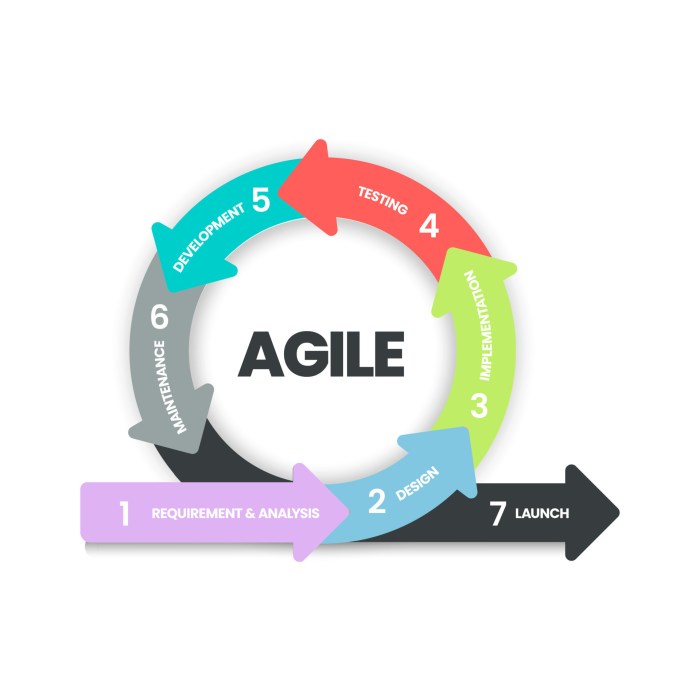
Agile management practices have emerged as a beacon for businesses striving to navigate the complexities of today’s fast-paced market. With a focus on flexibility, collaboration, and iterative progress, these practices empower teams to respond swiftly to changes and elevate project outcomes. Here, we unravel what makes agile methodologies essential for organizations aiming for sustained growth and innovation.
At its core, agile management emphasizes customer collaboration and continuous improvement, promoting an environment where teams can adapt and thrive. By understanding its fundamental principles and the positive impact on team dynamics, businesses can harness the power of agile practices to drive success in their operations.
Agile Management Practices Overview
Agile management is a dynamic approach to project management that emphasizes flexibility, collaboration, and customer satisfaction. In today’s rapidly changing business landscape, organizations adopt agile practices to enhance their adaptability and improve project outcomes. This overview delves into the fundamentals of agile management, its key principles, and its impact on team dynamics and project results.
Fundamentals of Agile Management
Agile management is centered around the ability to respond swiftly to change and deliver high-quality products through iterative processes. The methodology prioritizes customer involvement and encourages teams to work in short cycles, known as sprints, which allows for constant feedback and adjustments. This adaptability is especially crucial in industries like software development, where requirements can evolve quickly. Key principles of agile methodologies include:
- Iterative Development: Projects are broken down into smaller, manageable increments, enabling teams to refine their work based on feedback and shifting customer needs.
- Customer Collaboration: Continuous engagement with clients ensures that the product aligns with their expectations and requirements, reducing the risk of project failure.
- Embracing Change: Agile methodologies welcome changes in requirements even late in the development process, allowing teams to pivot as necessary.
- Focus on People: Agile practices emphasize effective communication and collaboration within teams, fostering a culture of trust and teamwork.
“The best way to predict the future is to create it.” – Peter Drucker
Impact of Agile Practices on Team Dynamics
Implementing agile practices positively influences team dynamics and enhances project outcomes. Agile teams often experience increased motivation and engagement as they take ownership of their work and collaborate closely. This environment fosters innovation, as team members are encouraged to share ideas and solutions openly.The impact of agile practices can be observed in several areas:
- Improved Communication: Daily stand-up meetings, or scrums, ensure that team members are aligned on goals and potential obstacles, fostering transparency.
- Enhanced Accountability: Each team member has a defined role and responsibility, which contributes to a stronger sense of accountability for the project’s success.
- Higher Quality Deliverables: Continuous testing and feedback loops allow teams to identify issues early, resulting in products that better meet customer needs and expectations.
Real-life examples of successful agile implementations include companies like Spotify and Amazon, which have leveraged agile principles to maintain competitive advantages in their respective industries. By adopting these practices, organizations can navigate challenges more effectively, leading to successful project completions and satisfied customers.
Implementing Agile Practices in Business
Adopting agile practices can significantly improve efficiency and adaptability across various business sectors. However, the journey to becoming agile involves a structured approach that can be tailored to the unique needs of each organization. This guide provides a comprehensive step-by-step method to effectively implement agile practices, ensuring that teams can respond to changes swiftly and deliver value consistently.
Step-by-Step Guide to Adopting Agile Practices
To successfully implement agile practices, organizations should follow a series of structured steps. This approach fosters a culture of collaboration and continuous improvement, essential for agile transformation.
- Assess Current Processes: Evaluate existing workflows and identify areas where agility can be introduced. This assessment helps pinpoint specific challenges and opportunities for improvement.
- Formulate a Vision: Create a clear vision of what you want to achieve with agile practices. Align this vision with the company’s overall goals to ensure all stakeholders are on the same page.
- Train Your Team: Provide training sessions for team members on agile methodologies, principles, and tools. This education prepares them for the shift in mindset required for successful adoption.
- Start Small: Begin with a pilot project or a small team to implement agile practices. This allows for a controlled environment to experiment and learn without overwhelming the entire organization.
- Iterate and Improve: Use feedback from the pilot to refine processes and practices. The iterative nature of agile allows teams to make adjustments quickly.
- Scale Up: Once the pilot is successful, gradually expand agile practices to other teams or departments, adjusting the approach based on lessons learned.
Examples of Successful Agile Transformations
Agile transformation has proven successful across various industries, showcasing its versatility and effectiveness. Notable examples include:
- Spotify: This music streaming giant implemented a unique agile model called the “Squad Framework,” which encourages small, cross-functional teams to operate autonomously, leading to rapid innovation and a highly engaging user experience.
- ING Bank: ING adopted agile methodologies to enhance its digital banking services. Their transformation involved restructuring teams around customer journeys, which improved speed and customer satisfaction significantly.
- GE Aviation: GE Aviation embraced agile to streamline its product development process. By utilizing agile sprints, they enhanced collaboration and reduced lead times for new aircraft engines.
Tools and Technologies Supporting Agile Management Practices
The right tools and technologies are crucial for supporting agile management practices. These tools enhance collaboration, transparency, and efficiency across teams.
“The right tools complement agile practices, making it easier to track progress and facilitate communication.”
Some popular tools include:
- Jira: Used for tracking issues and project management, Jira supports agile methodologies with features like Scrum and Kanban boards, making it easier to visualize workflows.
- Trello: A user-friendly tool that employs boards and cards for task management, Trello is suitable for teams seeking a straightforward way to manage agile projects.
- Slack: This communication platform enhances team collaboration by allowing real-time messaging, file sharing, and integration with other agile tools.
- Asana: Asana facilitates project tracking and task assignments, helping teams to maintain focus on their goals and deadlines.
Agile Practices for Business Growth

Agile practices are rapidly transforming the landscape of business creation and development. By emphasizing flexibility, collaboration, and customer feedback, organizations can adapt to changes more efficiently and leverage opportunities for growth. This adaptability not only enhances operational efficiency but also encourages innovation and responsiveness to market dynamics.
Impact of Agile Practices on Business Development
Agile methodologies foster an environment where teams are empowered to make decisions and quickly iterate on their ideas, significantly contributing to the creation of new products and services. This dynamic approach allows businesses to pivot in response to market demands and customer preferences, which is crucial for growth in today’s fast-paced economy. Notably, agile practices encourage cross-functional collaboration, ensuring that diverse perspectives are integrated into the development process.
The relationship between agile management and effective branding strategies is evident in how brands can align their offerings with customer expectations. By utilizing customer feedback loops inherent in agile practices, companies can craft messages and campaigns that resonate more deeply with their target audience. This alignment enhances brand loyalty and customer satisfaction, which are essential for sustained business growth.
Comparison of Traditional Management Practices and Agile Methodologies
Understanding the distinctions between traditional management practices and agile methodologies sheds light on the benefits of adopting agile strategies for business services and strategy. Below is a comparative analysis that highlights key differences:
| Aspect | Traditional Management Practices | Agile Methodologies |
|---|---|---|
| Approach to Change | Resistant to change; prefers structured processes. | Embraces change; adapts swiftly to new information. |
| Decision-Making | Centrally controlled; limited input from teams. | Decentralized; encourages team autonomy. |
| Customer Involvement | Infrequent customer engagement; feedback gathered post-launch. | Continuous customer involvement; feedback integrated throughout the process. |
| Project Phases | Linear and sequential phases; rigid timelines. | Iterative cycles; flexible timelines allow for adjustments. |
| Focus | Emphasis on processes and documentation. | Focus on delivering value and customer satisfaction. |
By adopting agile practices, businesses can enhance their capacity for innovation and responsiveness, ultimately driving growth and stability in an ever-evolving marketplace. This shift towards agility not only streamlines operations but also strengthens the overall business strategy.
Closure
In summary, the adoption of agile management practices not only transforms how teams operate but also significantly influences overall business development and branding strategies. As organizations embrace these methodologies, they prepare themselves to meet the challenges of the future, fostering a culture of innovation and responsiveness that is crucial for long-term success.
General Inquiries
What are the key principles of agile management?
The key principles include iterative development, customer collaboration, flexibility, and continuous improvement.
How can agile practices improve team dynamics?
Agile practices enhance team dynamics by fostering open communication, accountability, and a sense of shared purpose among team members.
What industries can benefit from agile management?
Agile management is beneficial in various industries, including software development, marketing, healthcare, and education, among others.
What tools are commonly used in agile management?
Popular tools include Jira, Trello, Asana, and Scrum boards, which help manage tasks and enhance collaboration.
How does agile management contribute to business growth?
Agile management contributes to business growth by enabling faster responses to market changes, improving customer satisfaction, and fostering innovation.


