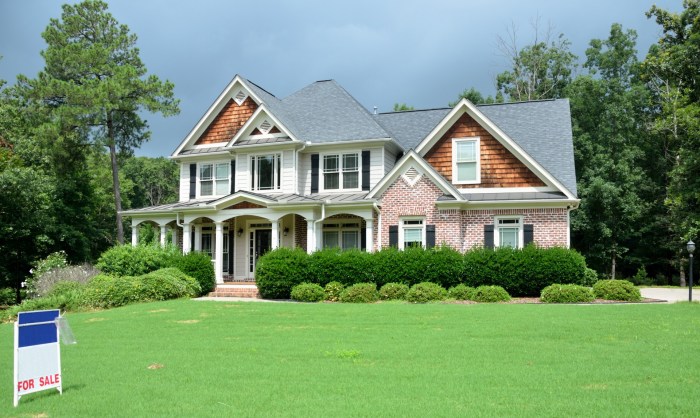
Home construction cost 2025 is shaping up to be a pivotal topic for anyone looking to build or invest in real estate. As we look toward the future, understanding the myriad factors that influence construction costs becomes essential. From fluctuating material prices to labor market dynamics, various elements will play a role in determining the budget for home building projects in 2025.
The upcoming years promise significant shifts in how construction costs evolve, especially as urban areas continue to expand while rural locations offer unique advantages. With a keen eye on these trends and a solid branding approach, stakeholders in the home construction industry can navigate these changes effectively.
Home Construction Cost Projections for 2025
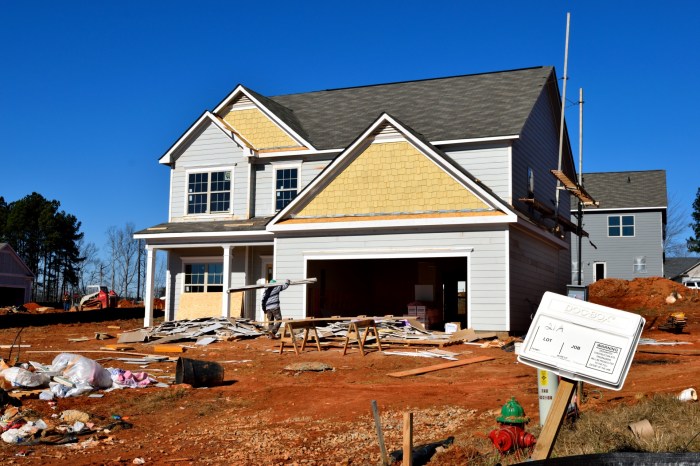
As we step into 2025, the landscape of home construction costs is shaped by a variety of factors that influence pricing trends. Understanding these influences is crucial for homeowners, builders, and investors alike. With the ongoing shifts in material availability, labor dynamics, and economic conditions, projecting these costs becomes essential in planning future construction projects.Several factors will play a significant role in determining home construction costs in 2025.
The global economy continues to recover from disruptions caused by the pandemic, resulting in fluctuating supply chains and inflation. Additionally, government regulations and incentives aimed at promoting sustainable building practices will affect material choices and labor availability.
Influencing Factors on Home Construction Costs
It’s important to delve deeper into the specific elements that will influence construction costs in
2025. Here are the primary factors
- Material Costs: The prices of essential construction materials like lumber, concrete, and steel are expected to be impacted by ongoing supply chain issues and the demand for green building materials.
- Labor Availability: Skilled labor shortages have been a persistent issue in the construction industry. The demand for skilled tradespeople will continue to drive labor costs upward, particularly in regions with high construction activity.
- Government Policies: Incentives for sustainable building and infrastructure investments can lead to increased costs for compliance but may also offer long-term savings and benefits.
- Economic Conditions: Inflation rates and overall economic growth will play crucial roles in shaping consumer spending power and investment in construction projects.
Expected Price Trends for Materials and Labor
Price trends for construction materials and labor in 2025 are likely to reflect a combination of supply chain stabilization and economic fluctuations. Anticipating these trends is vital for budgeting and forecasting in construction projects.The projected price trends can be summarized as follows:
- Materials: Prices for key building materials are predicted to stabilize but remain elevated compared to pre-pandemic levels. For instance, lumber prices are expected to average around 30% higher than 2020 levels, primarily due to ongoing demand and limited supply.
- Labor: Labor costs are expected to rise significantly, with estimates suggesting increases of 5-10% annually as contractors compete for a limited pool of skilled workers.
Comparative Construction Costs: Urban vs. Rural Areas
When analyzing construction costs between urban and rural areas in 2025, notable differences emerge. Urban centers typically experience higher costs due to land prices, labor competition, and regulatory expenses. The comparative aspects include:
- Urban Areas: Higher construction costs are driven by increased demand for housing, with average costs per square foot potentially exceeding $200, driven by land scarcity and regulatory hurdles.
- Rural Areas: Construction costs in rural settings may be more manageable, averaging around $150 per square foot. This is largely due to lower land prices and a more abundant labor force.
“Understanding local market dynamics is essential for accurate budgeting and planning in home construction.”
Branding Business in Home Construction
Establishing a strong brand in the home construction industry is vital for creating recognition and loyalty among clients. With the market becoming increasingly competitive, effective branding strategies can distinguish a construction business from its competitors. This requires a blend of innovative marketing, clear messaging, and an understanding of the target audience’s needs and preferences.Creating a unique brand identity in home building involves several key strategies.
These not only help in defining a business’s image but also foster trust and credibility in the eyes of potential clients. A well-defined brand identity communicates the company’s values, mission, and vision, making it easier for customers to connect with the services offered.
Strategies for Effective Branding
To build a successful brand, companies in the home construction sector can employ various strategies. Each strategy plays a crucial role in enhancing brand visibility and reputation.
- Consistent Messaging: Maintaining uniformity in messaging across all platforms—website, social media, and advertising—ensures that the brand is easily recognizable. Consistency builds trust and reinforces the brand identity.
- Quality Visuals: Invest in high-quality images and videos that showcase past projects. Visual content can significantly enhance brand perception and attract potential clients.
- Customer-Centric Approach: Focusing on customer feedback and experiences helps in refining services. A brand that prioritizes customer satisfaction often earns loyalty and referrals.
- Community Engagement: Participating in local events or supporting community initiatives can enhance brand visibility and connect the company with potential clients on a personal level.
- Social Proof: Showcasing testimonials and case studies from satisfied clients serves as powerful endorsements. Positive reviews can enhance credibility and influence potential customers’ decisions.
Establishing a Unique Brand Identity
Developing a unique brand identity requires careful consideration of various elements that reflect the company’s ethos and market positioning. Each component plays a vital role in how the brand is perceived.
- Logo and Branding Materials: A distinctive logo and cohesive branding materials—such as business cards and brochures—create an immediate visual connection with the audience.
- Brand Story: Sharing the story behind the business, including its founding principles and commitment to quality, can resonate deeply with clients looking for authenticity.
- Niche Focus: Identifying and specializing in a niche market—such as eco-friendly homes or luxury builds—can set a brand apart from competitors and attract a specific customer base.
- Online Presence: A strong online presence, including a well-designed website and active social media engagement, is essential for reaching modern consumers who seek information and connections online.
- Partnerships and Collaborations: Collaborating with designers, architects, and other industry professionals can enhance the brand’s credibility and expand its reach through shared networks.
Examples of Successful Branding Initiatives
Examining real-life branding successes in the construction industry provides insights into effective strategies. Notable examples include:
- Buildertrend: This company has established a robust brand by offering innovative project management software designed for contractors. Their branding emphasizes efficiency and modern solutions, appealing to tech-savvy builders.
- Toll Brothers: Known for luxury homes, Toll Brothers has successfully positioned itself in the high-end market by focusing on quality and customer service. Their marketing campaigns highlight exquisite designs and premium locations.
- Modular Home Builders: Brands like Koda and ICON are redefining home building with their unique approaches to modular construction. Their emphasis on sustainability and affordability resonates with environmentally conscious consumers.
“In the construction industry, effective branding is not just about visibility, but about building a reputation that clients can trust.”
Financial Management in Home Construction
Effective financial management is crucial in home construction, as it directly impacts the feasibility and success of any project. Proper oversight of costs ensures that budgets are adhered to and that financial resources are optimally allocated throughout the construction process. In 2025, with rising material costs and labor shortages, understanding key financial metrics and adapting to budgeting strategies will be more important than ever for homeowners and builders alike.
Key Financial Metrics for Managing Home Construction Costs
To manage home construction costs effectively, several financial metrics should be monitored closely. These metrics provide insights into spending patterns, resource allocation, and overall project health. Key indicators include:
- Cost per Square Foot: This metric helps determine the overall budget by calculating the total construction costs divided by the square footage of the home. For example, if a home construction project costs $300,000 for a 2,000 sq. ft. home, the cost per square foot is $150.
- Budget Variance: This measures the difference between the planned budget and the actual spending. A positive variance indicates savings, while a negative variance points to overspending.
- Return on Investment (ROI): ROI should be calculated to assess the profitability of the construction project. It is determined by dividing the net profit from the home sale by the total investment costs.
- Cash Flow: Tracking cash flow is essential to ensure that funds are available when needed for expenses such as materials and labor. A positive cash flow indicates that the project is financially healthy.
Budgeting Strategies for New Home Projects
Establishing a solid budget is fundamental to the success of any home construction project. Effective budgeting strategies encompass various elements that help in predicting and managing costs. Below are vital components of a successful budgeting approach:
- Detailed Cost Estimates: Create a comprehensive list of all potential costs, including land acquisition, permits, materials, labor, and unexpected contingencies. This detailed estimate should be revisited regularly to account for price changes.
- Contingency Fund: Setting aside a contingency fund of 10-20% of the total budget can help in managing unexpected expenses that may arise during the construction process.
- Phased Budgeting: Implement a phased approach where the budget is divided into sections corresponding to different stages of construction. This allows for closer monitoring of expenditures and makes adjustments easier.
- Regular Financial Reviews: Conducting monthly or bi-weekly financial reviews to compare actual spending against the budget helps identify areas where costs are exceeding expectations.
Financial Plan for a Typical Home Construction Project in 2025
Designing a financial plan for home construction involves a careful breakdown of costs and strategic allocation of resources. The estimated costs for a typical home construction project in 2025 could look like this:
| Cost Item | Estimated Cost (USD) |
|---|---|
| Land Acquisition | 50,000 |
| Permits and Fees | 10,000 |
| Construction Materials | 120,000 |
| Labor Costs | 80,000 |
| Utilities Installation | 15,000 |
| Contingency Fund (15%) | 30,750 |
| Total Estimated Cost | 305,750 |
This financial plan illustrates the breakdown of costs associated with building a typical home, equipping builders with a clear understanding of how to allocate their budget efficiently. By adhering to these financial strategies and metrics, project managers can enhance their ability to keep construction projects on track and within budget.
Wrap-Up
In summary, Home construction cost 2025 presents both challenges and opportunities for builders and buyers alike. By understanding the pricing trends, financial management strategies, and branding initiatives, individuals can better prepare for the financial implications of home construction in the coming years. As we adapt to these changes, it’s clear that a proactive approach will be key to success in this dynamic landscape.
FAQ Overview
What are the main factors affecting home construction costs in 2025?
Key factors include material prices, labor availability, and regional demand.
How can I budget for a home construction project?
Establish a detailed financial plan that includes all projected costs for materials, labor, and permits.
Are construction costs higher in urban areas than in rural areas?
Generally, urban areas tend to have higher costs due to increased demand and labor shortages.
What are some strategies for branding in home construction?
Build a unique brand identity through quality craftsmanship, excellent customer service, and targeted marketing.
How can I track financial metrics for my construction project?
Utilize budgeting tools and accounting software to monitor expenses against your financial plan.


